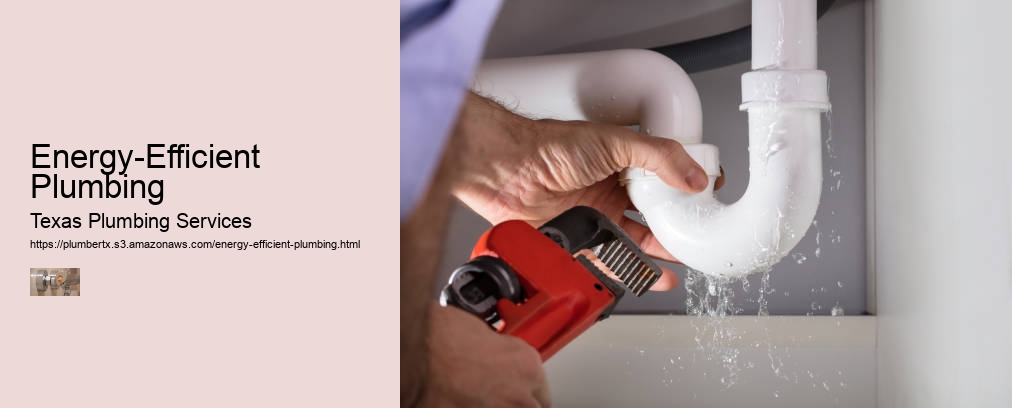
Energy-efficient plumbing fixtures offer numerous benefits for both homeowners and the environment. By using these fixtures, you can significantly reduce your water and energy consumption, resulting in lower utility bills and a smaller carbon footprint.
One of the key advantages of energy-efficient plumbing fixtures is their ability to conserve water. Low-flow toilets, faucets, and showerheads are designed to use less water without sacrificing performance. This not only helps to save valuable resources but also reduces the strain on municipal water supplies.
In addition to conserving water, energy-efficient plumbing fixtures can also help to lower your energy costs. Water heating accounts for a significant portion of a household's energy usage, so using appliances like high-efficiency water heaters or insulated pipes can lead to substantial savings over time.
Furthermore, by reducing your overall water and energy consumption, you are contributing to a more sustainable future for our planet. Conserving resources helps to protect natural ecosystems and reduce pollution associated with energy production.
Overall, investing in energy-efficient plumbing fixtures is a smart decision for both your wallet and the environment. These fixtures not only help you save money on utility bills but also play a crucial role in promoting sustainability and protecting our planet for future generations.
Energy-efficient plumbing fixtures are a great way to save money on your water and energy bills while also reducing your impact on the environment. There are several types of energy-efficient plumbing fixtures available in the market that can help you achieve this goal.
One popular type of energy-efficient plumbing fixture is low-flow faucets and showerheads. These fixtures are designed to reduce the amount of water that flows through them, without sacrificing water pressure. By using less water, you can save both water and energy, as less hot water needs to be heated.
Another common energy-efficient plumbing fixture is a dual-flush toilet. This type of toilet has two different flushing options - one for liquid waste and one for solid waste. By choosing the appropriate flush option, you can save a significant amount of water with each use.
Tankless water heaters are another popular choice for energy-efficient plumbing fixtures. Unlike traditional water heaters that store hot water in a tank, tankless water heaters heat water on demand. This means that they only heat the amount of water needed at any given time, reducing energy waste.
Overall, there are many types of energy-efficient plumbing fixtures available in the market that can help you reduce your environmental impact and save money on your utility bills. Whether you choose low-flow faucets and showerheads, dual-flush toilets, or tankless water heaters, making the switch to energy-efficient plumbing fixtures is a smart choice for both your wallet and the planet.
Conserving water and reducing energy usage in plumbing systems is not only good for the environment, but it can also help save you money on your utility bills. There are several simple tips you can follow to make your plumbing system more energy-efficient.
One of the easiest ways to conserve water is by fixing any leaks in your pipes or faucets. Even a small drip can waste hundreds of gallons of water each year, so it's important to address any leaks as soon as possible. Additionally, installing low-flow fixtures such as showerheads and faucets can help reduce water usage without sacrificing performance.
Another way to save water and energy is by being mindful of how you use hot water. Taking shorter showers, using cold water for laundry whenever possible, and insulating your hot water pipes can all help reduce the amount of energy needed to heat water. You can also consider installing a tankless water heater, which heats water on demand and eliminates the need for a constantly heated tank.
Finally, regular maintenance of your plumbing system is crucial for ensuring its efficiency. This includes flushing out your hot water heater annually, cleaning aerators on faucets regularly, and having your pipes inspected for any potential issues. By staying on top of maintenance tasks, you can prevent major problems down the line and keep your plumbing system running smoothly.
In conclusion, there are many ways to make your plumbing system more energy-efficient. By following these tips and being proactive about conservation efforts, you can not only reduce your environmental impact but also save money in the long run. So don't wait – start making changes today to create a more sustainable home!
Regular maintenance and upgrades are crucial for ensuring energy efficiency in plumbing systems. By taking proactive steps to maintain and upgrade your plumbing system, you can significantly reduce energy consumption, lower utility bills, and minimize environmental impact.
One of the key reasons why regular maintenance is important for energy efficiency is that it helps identify and address potential issues before they escalate into major problems. Leaking pipes, clogged drains, or malfunctioning water heaters can all lead to increased energy usage as your system works harder to compensate for these issues. By conducting routine inspections and repairs, you can ensure that your plumbing system is operating at peak efficiency.
Upgrading outdated fixtures and appliances with more energy-efficient models is another effective way to improve the overall energy efficiency of your plumbing system. Newer technologies such as low-flow toilets, high-efficiency showerheads, and tankless water heaters can help you conserve water and reduce energy consumption without sacrificing performance.
In addition to reducing energy costs, maintaining an energy-efficient plumbing system also has positive environmental benefits. By using less water and electricity, you can help conserve valuable resources and reduce greenhouse gas emissions associated with energy production.
Overall, regular maintenance and upgrades are essential for maximizing the energy efficiency of your plumbing system. By investing in these practices, you can not only save money on utility bills but also contribute to a more sustainable future for our planet.
Energy-efficient plumbing is becoming increasingly popular as people look for ways to reduce their environmental impact and save money on utility bills. There are many successful case studies and examples of energy-efficient plumbing installations that showcase the benefits of these systems.
One example of a successful energy-efficient plumbing installation is the use of low-flow fixtures, such as faucets, showerheads, and toilets. These fixtures are designed to use less water without sacrificing performance, helping homeowners reduce their water usage and lower their water bills. In addition to saving water, low-flow fixtures also help conserve energy by reducing the amount of hot water that needs to be heated.
Another example of a successful energy-efficient plumbing installation is the use of tankless water heaters. Unlike traditional water heaters that store hot water in a tank, tankless water heaters heat water on demand, only using energy when hot water is needed. This can result in significant energy savings and lower utility bills for homeowners.
In addition to these examples, there are many other energy-efficient plumbing technologies and practices that can help reduce energy consumption and increase sustainability. For example, insulating hot water pipes can help prevent heat loss and improve the efficiency of a home's hot water system. Using greywater recycling systems can also help homeowners reuse wastewater for non-potable purposes like irrigation or flushing toilets.
Overall, there are numerous case studies and examples of successful energy-efficient plumbing installations that demonstrate the benefits of implementing these technologies in homes and buildings. By incorporating energy-efficient plumbing practices into our daily lives, we can not only save money on utility bills but also contribute to a more sustainable future for our planet.
When it comes to energy-efficient plumbing, one of the key factors that homeowners and businesses often consider is the cost. While there may be an initial investment required to upgrade to energy-efficient plumbing fixtures and systems, the potential savings in the long run can make it a worthwhile investment.
Energy-efficient plumbing can help reduce water consumption, leading to lower monthly utility bills. By installing low-flow toilets, faucets, and showerheads, you can significantly decrease your water usage without sacrificing performance. Additionally, energy-efficient water heaters and pipes can help conserve energy by reducing heat loss during distribution.
In addition to saving money on your utility bills, energy-efficient plumbing can also increase the value of your property. Potential buyers are increasingly looking for homes and buildings that are equipped with sustainable features that will help them save money in the long term. Investing in energy-efficient plumbing can make your property more attractive to environmentally-conscious buyers and potentially increase its resale value.
Furthermore, energy-efficient plumbing can contribute to a healthier environment by conserving water resources and reducing greenhouse gas emissions associated with heating water. By making small changes like fixing leaks and insulating pipes, you can minimize water waste and lower your carbon footprint.
Overall, while there may be upfront costs associated with upgrading to energy-efficient plumbing, the long-term savings and environmental benefits make it a smart choice for both homeowners and businesses. By considering cost considerations and potential savings when making decisions about your plumbing systems, you can enjoy greater efficiency, lower expenses, and a more sustainable living or working space.